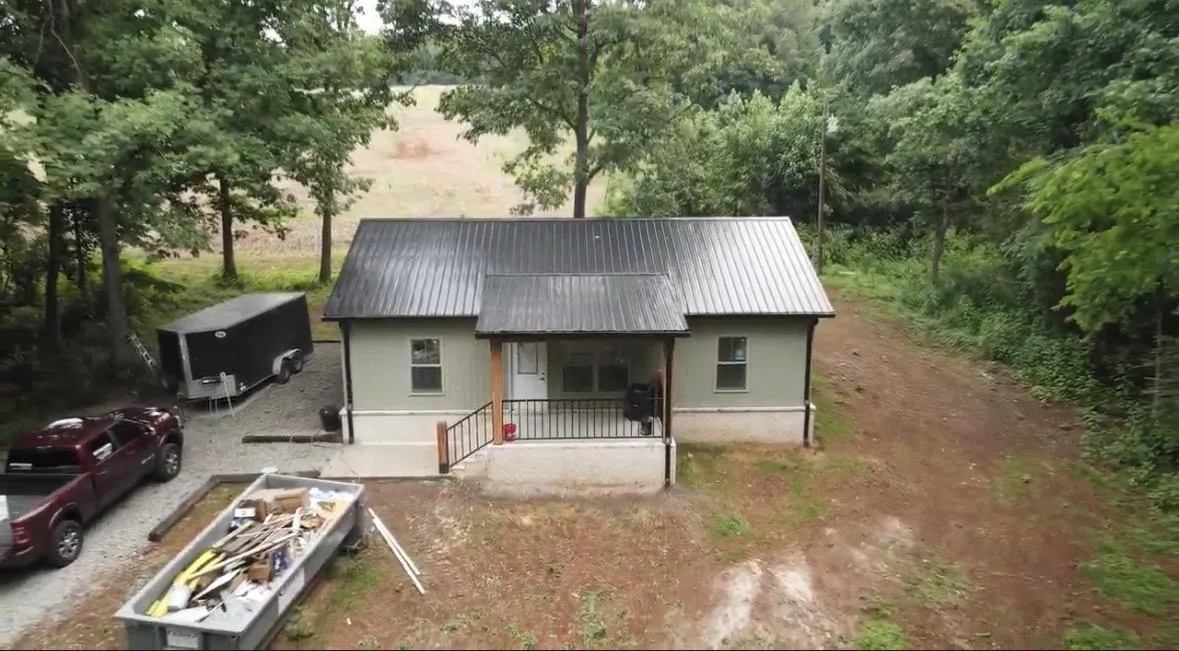
How to Plan a Custom Starter Home in Athens, AL Without Overbuilding
When you finally have the opportunity to build your own home, it's easy for the wish list to grow.
An extra bedroom sounds useful. A larger kitchen would be nice. Maybe you should add another living area, an oversized garage, a huge primary suite, and every upgrade you've saved on your phone.
Before long, the starter home you originally imagined can become much larger and more complicated.
Building a custom starter home in Athens, AL is an opportunity to take a different approach: create a home that gives you what you genuinely need without paying for space and features you may rarely use.
Bethlehem Homes LLC builds custom homes and new construction for homeowners in Athens and surrounding North Alabama communities.
Here's how to approach your starter home with function, flexibility, and value in mind.
What Does "Overbuilding" Mean?
Overbuilding doesn't simply mean constructing a large home.
It means adding square footage, features, or upgrades that don't provide enough practical value for your lifestyle and priorities.
For one homeowner, three bedrooms may be perfect. Another household might genuinely need four.
The important question is not:
"How big should a starter home be?"
It's:
"How much home do I actually need?"
Answering that question early can guide many of the decisions that follow.
Build Around Priorities Instead of Square Footage
It's easy to treat square footage as the main measure of a home.
But good design is about how effectively that space works.
A thoughtfully planned smaller home may provide better everyday functionality than a larger home filled with underused rooms.
Consider how you spend time at home.
If everyone naturally gathers in the kitchen and living room, those areas may deserve more attention.
If you rarely entertain formally, a separate formal dining room might not be a priority.
If you work remotely every day, dedicated workspace could be far more valuable.
Build around your routine instead of assumptions about what every house is "supposed" to have.
Make Rooms Work Harder
Multipurpose spaces can be especially valuable in a starter home.
A spare bedroom might also function as a home office.
A kitchen island can provide food preparation space, storage, and casual seating.
An entry area can incorporate storage instead of requiring a separate room.
A covered outdoor area can extend your usable gathering space.
The goal isn't to cram several unrelated purposes into every room. It's to identify opportunities where thoughtful design can eliminate unnecessary square footage.
Put More Thought Into the Kitchen
The kitchen is one of the most frequently used spaces in many homes.
Instead of automatically making it enormous, focus on how it functions.
Think about:
Counter space
Cabinet storage
Pantry storage
Appliance placement
Lighting
Traffic flow
Seating
Connections to dining and living areas
A well-designed kitchen can feel comfortable and efficient without consuming an oversized portion of your floor plan.
Be Strategic About Bedrooms
Extra bedrooms can be useful, but each additional room affects the overall size and layout of the house.
Think realistically about who will live in the home.
If you're planning for potential changes, consider whether a flexible room could address those needs without designing significantly more space than you currently require.
Your builder can help you think through how bedrooms relate to bathrooms, closets, hallways, and the rest of the floor plan.
Don't Sacrifice Practical Storage
Reducing unnecessary square footage should not mean eliminating useful storage.
A home that lacks storage can feel crowded regardless of its actual size.
Consider storage for:
Food and kitchen supplies
Clothing
Linens
Cleaning supplies
Seasonal decorations
Tools
Outdoor equipment
Everyday household items
Strategically placed closets, cabinets, pantry space, and garage storage can make the entire home function more effectively.
Spend Where It Matters Most to You
When building a custom home, you will make numerous decisions about finishes and features.
Not every item needs to be upgraded.
Identify the areas where quality, appearance, or functionality matter most to you and prioritize accordingly.
You might care deeply about kitchen cabinetry but be perfectly satisfied with simpler selections elsewhere.
Someone else may prioritize flooring because they have pets or children.
Another homeowner may place more emphasis on outdoor living.
Custom does not have to mean choosing the most expensive option for every feature. It means having the ability to make choices that align with your priorities.
Separate "Now" From "Later"
Some features are much easier to incorporate during construction.
Others can potentially be upgraded later.
Separating the two can help you make smarter planning decisions.
For example, certain structural choices, room configurations, electrical considerations, or major layout decisions may deserve attention early because changing them later could require significant work.
Decorative elements may offer more flexibility.
Discussing your long-term ideas with your builder can help you understand which decisions should be made during construction.
Avoid Designing Only for Resale
Resale value is worth considering, but you also have to live in the home.
Trying to predict what every hypothetical future buyer might want can lead to a home that doesn't suit you particularly well.
Instead, aim for a balance.
Choose a practical floor plan and broadly useful features while still personalizing the areas that matter to your household.
Your starter home should first and foremost work as your home.
Think About Maintenance
More house generally means more to maintain.
More flooring to clean.
More rooms to furnish.
More surfaces to maintain.
More exterior area to consider.
When deciding how large your starter home should be, think beyond construction and consider what ownership will feel like afterward.
A manageable home can leave more time and resources for other priorities.
Start With a Realistic Plan
Good home building begins before construction starts.
Think about:
Your overall goals
Must-have features
Preferred layout
Current lifestyle
Future needs
Property considerations
Budget priorities
Features you could add later
You do not necessarily need every answer before contacting a builder.
In fact, discussing these questions with an experienced home builder can help transform a broad wish list into a more practical plan.
Custom Starter Home Builders in Athens, AL
Bethlehem Homes LLC provides custom home building and new home construction services in Athens, Alabama. Its custom-home services are centered around personalized layouts, material selections, communication, and construction management from planning through completion.
For first-time homeowners, that means you can approach the process based on what matters to you instead of trying to fit your needs into an existing property.
Build the Home You Need With Bethlehem Homes LLC
A great starter home doesn't need unnecessary rooms or excessive square footage.
It needs to work.
It should give you comfortable places to live, useful storage, an efficient layout, and features that reflect your priorities.
If you're considering building a custom starter home in Athens, AL, Bethlehem Homes LLC can help you begin turning your ideas into a home-building plan.
Contact Bethlehem Homes LLC today to discuss your starter-home goals and request a free quote.